Home security cameras have become a staple in modern security systems, offering peace of mind and protection for your property. However, with so many types of security cameras available, it can be challenging to choose the right one for your needs. In this guide, we’ll explore the various types of home security cameras, their features, and where each type excels.
Table of Contents
1. Indoor Security Cameras

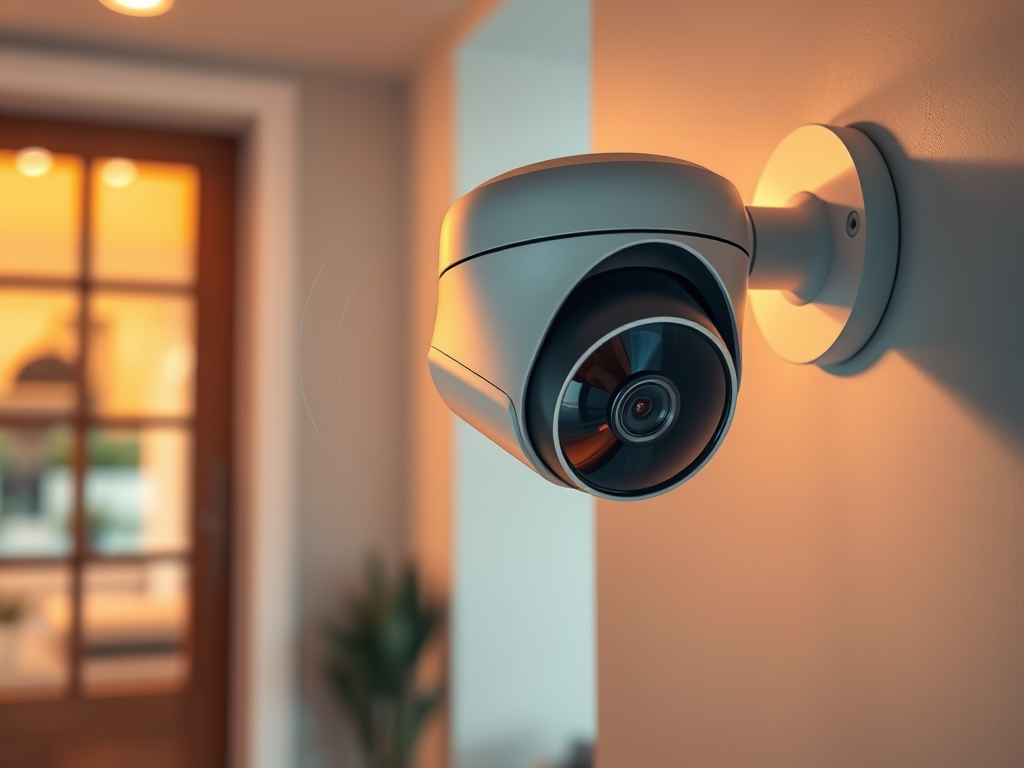
Indoor security cameras are designed to monitor the inside of your home, keeping an eye on your living spaces, hallways, and entry points.
- Best for: Watching over pets, children, and valuables while you’re away.
- Features: Compact design, often with Wi-Fi connectivity, motion detection, and two-way audio.
- Installation: Easy to install on walls, shelves, or ceilings.
Use Case: Indoor cameras are perfect for keeping an eye on your home’s interior, whether you’re monitoring kids, checking on elderly relatives, or simply ensuring that everything is safe while you’re at work. For those with pets, the best indoor security cameras for monitoring pets can offer peace of mind and ensure your furry friends are safe.
2. Outdoor Security Cameras

Outdoor security cameras are built to withstand the elements and provide surveillance around your home’s exterior.
- Best for: Monitoring entry points, driveways, backyards, and other outdoor areas.
- Features: Weatherproof design, infrared night vision, wide-angle lenses, motion-activated floodlights.
- Installation: Typically mounted on walls, roofs, or poles, high enough to avoid tampering.
Use Case: Outdoor cameras are ideal for deterring burglars and capturing footage of anyone approaching your property. They’re particularly useful for monitoring your driveway, garage, or yard. If you’re looking for a cost-effective solution, consider affordable outdoor security cameras with motion detection to secure your home without breaking the bank.
3. Wireless Security Cameras

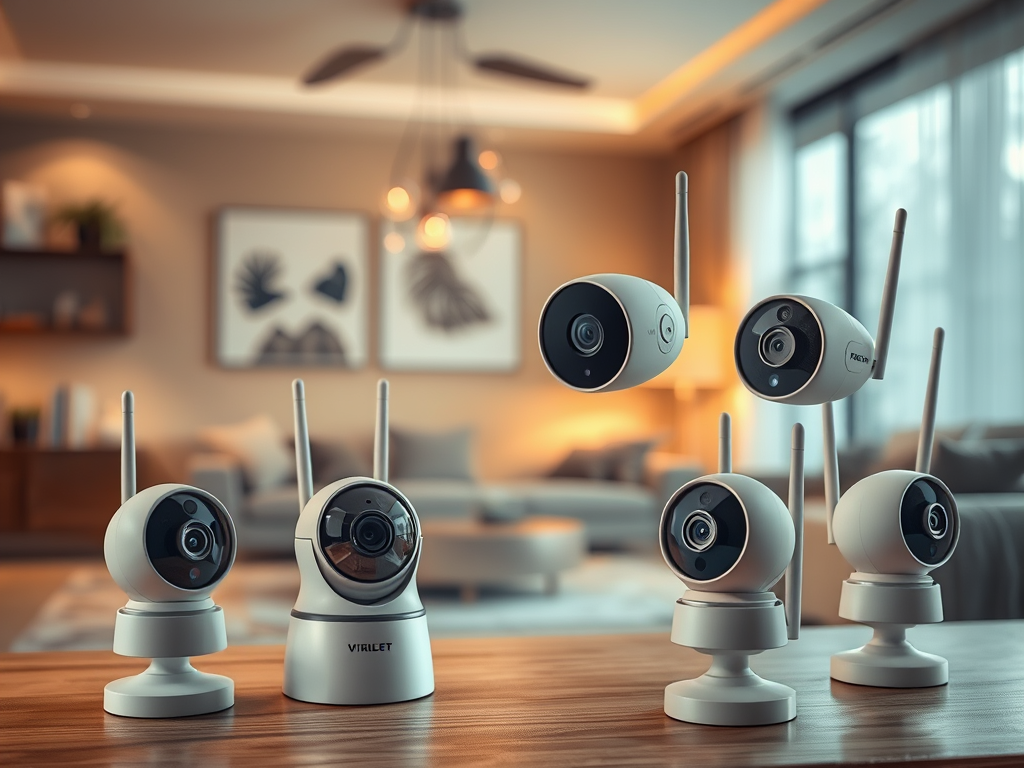
Wireless security cameras offer the convenience of easy installation and flexibility in camera placement.
- Best for: Homes where running cables is difficult or unsightly.
- Features: Battery-powered or solar-powered, Wi-Fi connectivity, cloud storage options.
- Installation: Simple, with no need to run cables, allowing for placement in almost any location.
Use Case: Wireless cameras are great for renters, as well as for outdoor areas where running cables would be impractical. They offer flexibility in placement and can be moved as needed. For those seeking simplicity, top-rated wireless security cameras for easy installation are an excellent choice.
4. Wired Security Cameras

Wired security cameras provide a stable and reliable connection, making them ideal for long-term installations.
- Best for: Permanent installations with continuous power and data transmission.
- Features: Direct connection to power and data sources, often part of a larger security system with a DVR or NVR.
- Installation: More complex, typically requiring professional installation.
Use Case: Wired cameras are well-suited for homeowners who want a reliable, always-on security solution. They are often used in conjunction with other security systems like alarms and sensors. If you’re planning to set up a wired system, check out our guide on how to install wired security cameras at home for step-by-step instructions.
5. Doorbell Cameras
Doorbell cameras combine the functionality of a doorbell with the security of a camera, allowing you to see and communicate with visitors from anywhere.
- Best for: Monitoring who’s at your front door, whether you’re home or away.
- Features: Two-way audio, motion detection, video recording, integration with smart home systems.
- Installation: Replaces or complements your existing doorbell, typically installed at eye level.
Use Case: Doorbell cameras are perfect for monitoring deliveries, answering the door remotely, and preventing package theft. They’re also a great first line of defense against intruders. For those looking for versatile features, best doorbell cameras with two-way audio offer added convenience and security.
6. Pan-Tilt-Zoom (PTZ) Cameras

PTZ cameras offer advanced surveillance capabilities, allowing you to control the camera’s movement remotely.
- Best for: Large properties or areas requiring a wide range of coverage.
- Features: Remote control for panning, tilting, and zooming, high-definition video, sometimes equipped with auto-tracking.
- Installation: Mounted in a fixed location with the ability to rotate and zoom as needed.
Use Case: PTZ cameras are ideal for covering large outdoor areas, such as parking lots or expansive backyards. They’re also used in situations where you need to follow the movement of people or vehicles. If you’re considering this type of camera, learn more about how to choose a pan-tilt-zoom (PTZ) camera for home security.
7. Hidden Cameras

Hidden cameras, also known as spy cameras, are designed to be discreet and blend into their surroundings.
- Best for: Monitoring areas without drawing attention to the camera.
- Features: Small, camouflaged design, can be embedded in everyday objects like clocks or smoke detectors.
- Installation: Typically placed in inconspicuous locations, with a focus on stealth rather than visibility.
Use Case: Hidden cameras are useful for discreet monitoring, such as keeping an eye on caregivers, employees, or potential intruders without alerting them to the presence of a camera. Hidden security cameras for discreet home monitoring are particularly effective for sensitive areas where overt surveillance might not be desirable.
Conclusion
Choosing the right type of home security camera depends on your specific needs, the areas you want to monitor, and your budget. Whether you’re looking for a robust outdoor camera to protect your property or a simple indoor camera to keep an eye on things while you’re away, there’s a security camera that’s perfect for you. By understanding the different types of security cameras and their unique features, you can make an informed decision to enhance your home’s security.

Leave a Reply