

When it comes to protecting your home, many homeowners wonder, “Do I really need a security camera?” Security cameras have become more accessible, affordable, and feature-packed over the years, but are they truly necessary for every home? The answer depends on various factors, including your location, lifestyle, and security needs. In this blog, we’ll explore whether a security camera system is the right choice for you and the key considerations to keep in mind before making a decision.
Table of Contents
1. Understanding the Benefits of Security Cameras
Before deciding if a security camera is necessary for your home, it’s important to understand the benefits these devices offer. Modern security cameras come equipped with features that do more than just capture footage.
Deterring Crime
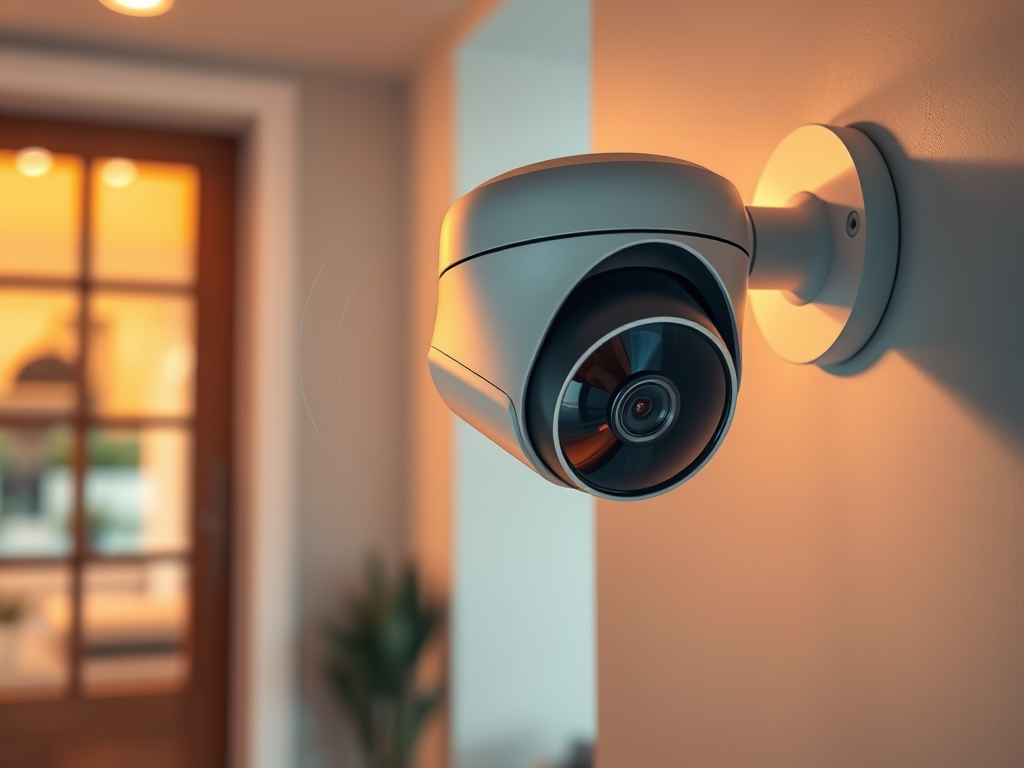
One of the biggest reasons homeowners install security cameras is to deter criminal activity. A visible camera can make potential intruders think twice before targeting your home. Research shows that homes without security systems are significantly more likely to be broken into than those with visible cameras or alarms.
Monitoring Packages and Deliveries
In an age of online shopping, package theft has become a growing concern. A smart doorbell camera or front door security camera allows you to monitor deliveries, ensuring packages are safely received and deterring porch pirates. If a package goes missing, having a camera can provide clear evidence for delivery services or local authorities.
Remote Monitoring for Peace of Mind
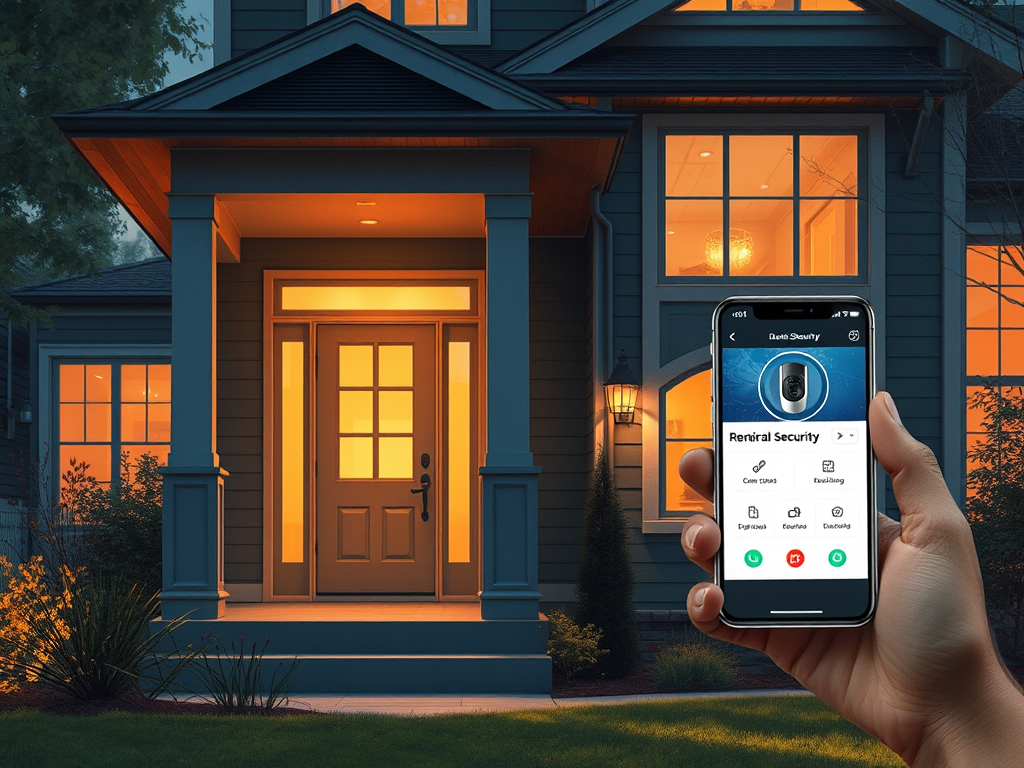
Many modern security cameras come with remote access features, allowing you to check in on your home from anywhere. Whether you’re at work or on vacation, you can view live footage or receive real-time alerts if motion is detected. This gives you peace of mind, knowing that your home is being monitored even when you’re not there.
Helping with Insurance Claims
If your home is broken into or damaged, having footage from your security camera can help with insurance claims. Many insurance companies offer discounts for homes with security cameras, as they provide documented evidence in case of theft, vandalism, or accidents.
2. Factors to Consider Before Buying a Security Camera
While security cameras offer numerous benefits, not everyone may need one. Here are some factors to consider when deciding if a security camera is right for you:
Neighborhood Crime Rates
If you live in an area with high crime rates, having a security camera can be a valuable tool for protecting your property. Even in neighborhoods considered “safe,” break-ins and package theft can happen. Research your local crime statistics to determine whether a camera might be a necessary addition to your security system.
Property Size and Layout
The size and layout of your property can determine how many cameras you need and where they should be placed. If you have a large property with multiple entry points, outdoor areas, or side entrances, you may need several cameras to cover all vulnerable areas. On the other hand, if you live in a small apartment, a single camera near the front door may be sufficient.
Budget and Cost
Home security cameras are available at various price points, from budget-friendly models like Wyze Cam to high-end systems like Arlo Pro or Nest Cam IQ. When deciding if a camera is worth it, factor in both the upfront cost and any potential subscription fees for cloud storage or professional monitoring.
Lifestyle and Travel Habits
If you frequently travel or spend extended periods away from home, having a security camera can provide peace of mind and allow you to monitor your property remotely. Cameras with smart home integration can be set up to send you notifications or even automate lights to make it look like someone is home while you’re away.
3. Types of Security Cameras and Which is Right for You
There are several types of security cameras available, each designed to meet different needs. Understanding the options can help you determine which is best for your home.
Indoor Security Cameras
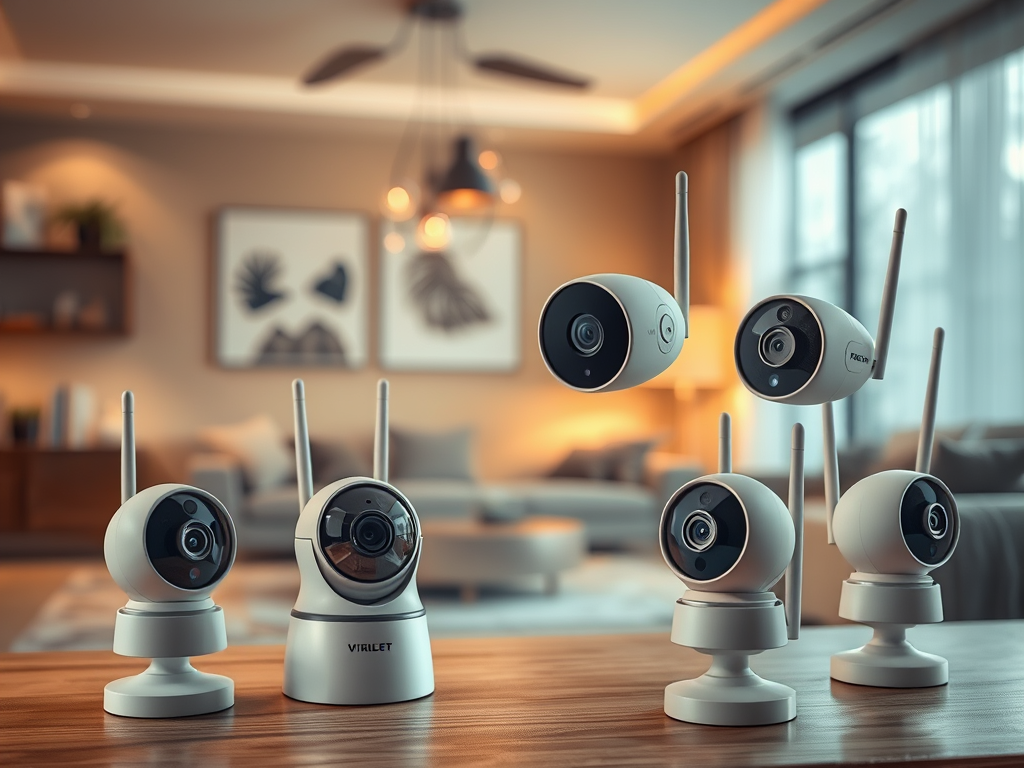
If you’re primarily concerned about keeping an eye on what’s happening inside your home, an indoor security camera is a good choice. These cameras are great for monitoring pets, children, or elderly relatives. They’re typically less expensive than outdoor models and can be easily installed on shelves, walls, or countertops.
Outdoor Security Cameras
For monitoring the perimeter of your property, outdoor security cameras are essential. These cameras are built to withstand the elements and often come with features like night vision and motion detection. They’re perfect for watching over your driveway, garage, and entry points.
Smart Doorbell Cameras
A smart doorbell camera is ideal if you’re worried about package theft or want to keep an eye on who’s at your front door. These devices come with two-way audio, allowing you to communicate with visitors, delivery drivers, or potential intruders. Plus, they’re easy to install and provide great coverage for your main entryway.
Wireless Security Cameras
If you want a hassle-free installation, wireless security cameras are a great option. These cameras are battery-powered or solar-powered, making them easy to place anywhere on your property without the need for complex wiring. They’re especially ideal for renters or homeowners who want to avoid drilling.
4. Addressing Privacy Concerns
One of the most common concerns homeowners have when installing security cameras is privacy. Some people worry about the ethical implications of having cameras in and around their home. If privacy is a concern, consider these options:
- Indoor Cameras with Privacy Settings: Many indoor cameras now come with built-in privacy features that allow you to disable the camera when you’re home or program it to turn on only when you’re away.
- Discreet Camera Placement: Placing outdoor cameras in discreet locations can help protect your property without feeling intrusive. Focus on entry points and areas that aren’t in direct view of neighbors or public spaces.
- Ethical Considerations: Always inform visitors or neighbors if your cameras are recording in shared areas. Transparency about camera usage can ease privacy concerns and build trust with those around you.
5. Alternatives to Security Cameras
If you’re still unsure whether a security camera is necessary, there are alternatives that can enhance your home security without the need for cameras:
- Smart Locks and Sensors: Install smart locks on your doors and windows to ensure they’re locked when you’re away. Sensors can alert you if a door or window is opened unexpectedly.
- Motion-Activated Lights: Outdoor motion-activated lights can deter burglars by illuminating dark areas when movement is detected, reducing the need for camera surveillance.
- Alarm Systems: If cameras feel unnecessary, a basic alarm system with entry sensors can still offer a high level of protection.
Conclusion: Do You Really Need a Security Camera?
While security cameras offer clear benefits for protecting your home, they may not be necessary for everyone. If you live in a high-crime area, travel frequently, or have a large property with multiple entry points, a camera system can offer added peace of mind and valuable protection. However, if you live in a smaller or lower-risk area, alternatives like smart locks, sensors, and motion-activated lights might be sufficient.
Ultimately, the decision depends on your personal circumstances, budget, and security concerns. By evaluating your specific needs, you can determine whether a security camera is the right investment for your home.

Leave a Reply