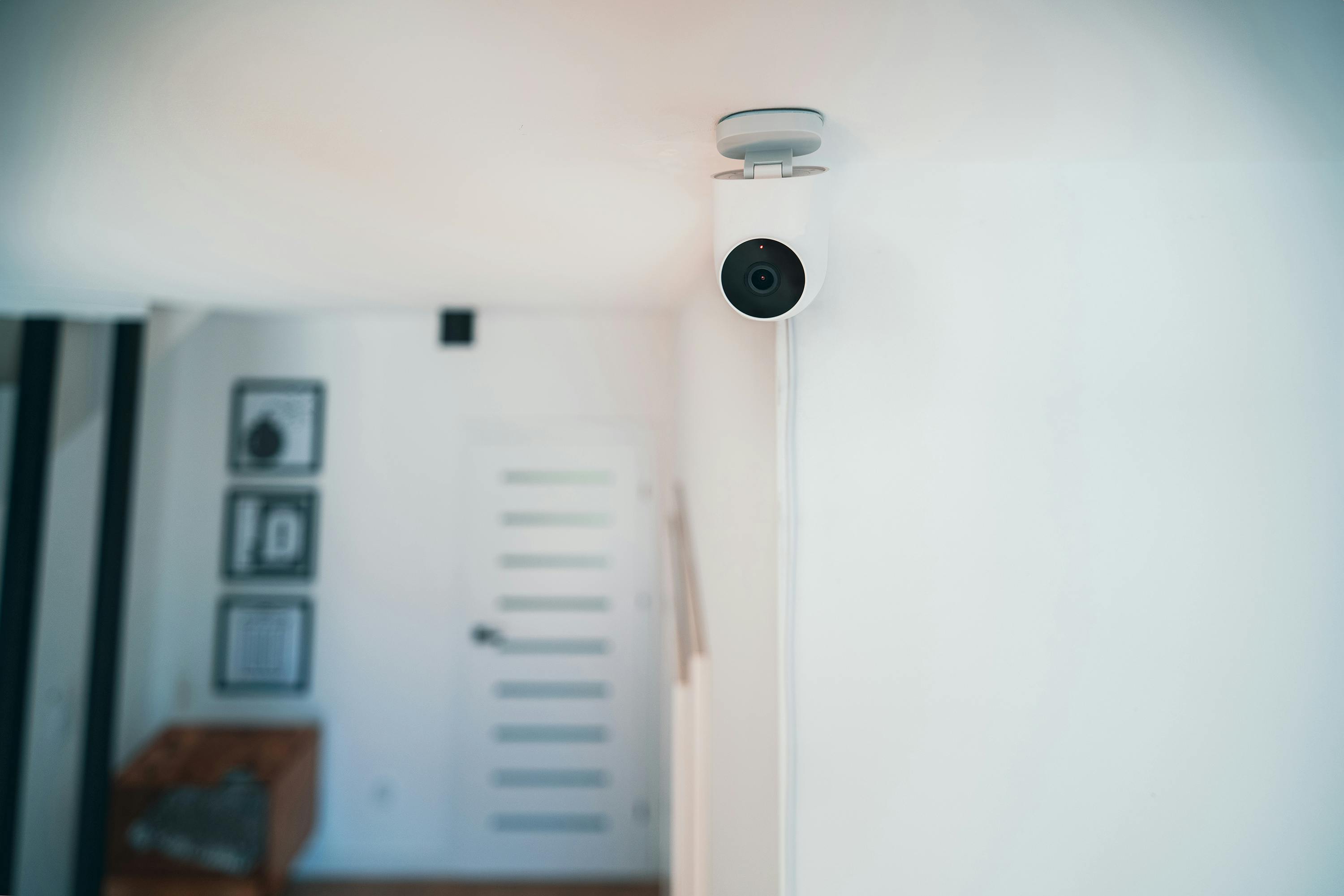

When installing home security cameras, it’s crucial to think strategically about where they are placed. The location of your cameras plays a significant role in how well they protect your home and deter criminals. Whether you’re looking to monitor entry points, outdoor areas, or your home’s interior, positioning your cameras in the right places can make all the difference in ensuring maximum coverage.
Table of Contents
Protecting Entry Points
The front door might seem like an obvious location for a security camera, but it’s also one of the most vulnerable areas of your home. Many homeowners may not realize that nearly 34% of break-ins occur right through the front door. To keep this area secure, placing a camera near your entrance is essential. A doorbell camera with two-way audio is a popular choice for front door security, allowing you to communicate with visitors or delivery drivers even when you’re not home. Make sure the camera is mounted at eye level so that it captures clear facial images.
However, the front door isn’t the only entry point that needs surveillance. Burglars often target the back door or side entrances as they are less visible from the street and neighbors. Installing outdoor security cameras with night vision by these hidden entrances can add an extra layer of protection, especially if these areas are poorly lit. Position your camera high enough to avoid tampering, ideally angled toward the door or window.
Covering Driveways and Garages
If you have a driveway or garage, this is another crucial spot to monitor with a security camera. Your vehicles and garage often contain valuable belongings, making them attractive targets. A wide-angle security camera is perfect for covering large areas like driveways and garages. It’s best to mount this camera above the garage door or along the side of the house, ensuring it captures the entire driveway and entryway. This way, you can monitor all activity in and around your vehicles, deterring potential vandals or thieves.
Monitoring Windows and Hidden Areas
Windows that don’t face the street are another weak point that intruders may exploit. Because these windows are less visible to passersby, they become easier targets for break-ins. By installing wireless security cameras with motion detection, you can monitor any suspicious activity near these windows without the hassle of wiring. Mounting the camera just above the window and angling it to cover the entire area will give you peace of mind, knowing that your home’s less visible points are under surveillance.
The backyard also deserves attention, as it’s another area often overlooked by homeowners. Installing cameras along your fence line or in the yard can prevent trespassers and provide comprehensive coverage of your property. Opt for weatherproof outdoor security cameras to ensure they can withstand rain, wind, or other harsh elements. Placing cameras on trees or high walls can offer a full view of the backyard and any entry points through gates or fences.
Interior Monitoring: Hallways and Staircases
For indoor monitoring, placing cameras in your home’s main hallways and staircases can be extremely effective. These are areas that intruders will likely pass through if they manage to get inside. A good choice here would be indoor security cameras with night vision, which allow you to monitor movement even in low-light conditions. Positioning a camera at the top of a staircase or at the end of a hallway gives you a clear view of any movement throughout the house.
If your home has a basement entrance, this is another spot that requires attention. Many burglars attempt to enter through the basement, especially if it’s a walkout basement with direct access from the outside. Installing a motion-activated camera near the basement door or at the top of the basement stairs ensures that you’ll be alerted if someone tries to break in.
Monitoring Outdoor Perimeters
Securing the front and back yards is equally important, as these are the first lines of defense against intruders. Cameras placed to cover the yard or along the perimeter of your home can discourage trespassing long before a criminal even approaches your doors or windows. A PTZ (pan-tilt-zoom) camera is ideal for large yards because it can be remotely controlled to pan across wide areas. By mounting these cameras high on walls or trees, you can monitor the entire yard and even adjust the camera’s view to track movement.
Conclusion
The effectiveness of your home security cameras depends largely on where they are placed. By ensuring that critical areas like entry points, garages, windows, and interior spaces are adequately covered, you can greatly enhance your home’s protection. Whether you’re looking for wireless cameras for easy installation, doorbell cameras for front door security, or outdoor security cameras with night vision, choosing the right camera and placing it in the optimal location will make a world of difference in keeping your home safe.

Leave a Reply